Should Democratic States Opt Into Trump's Stealth School Voucher Plan?
LISTEN TO THE EPISODE
-
Louis Freedberg (00:04): “Welcome to Education on the Line, a podcast series focused on the threats facing public education and the strategies emerging to meet them.”
Louis Freedberg (00:16): “It included a massive and unprecedented federal tax credit scholarship program, which will funnel billions of dollars into tuition for private and religious schools.”
Louis Freedberg (00:35): “Many view [it] as a voucher program disguised as a tax credit.”
Louis Freedberg (00:49): “The program is scheduled to begin on January 1 of next year.”
Louis Freedberg (01:02): “Almost any taxpayer could donate up to $1,700 to what are called scholarship granting organizations.”
Louis Freedberg (01:11): “The taxpayer would get all that money back as a tax credit.”
Louis Freedberg (01:47): “One of the big questions is what states are going to do.”
Louis Freedberg (02:16): “If a Blue State opts out, its taxpayers still fund the program through their federal taxes.”
Louis Freedberg (02:27): “If it opts in, it will almost certainly expand a private school ecosystem operating largely beyond state control.”
Louis Freedberg (03:26): “I’m also pleased to welcome Cassie Cresswell, who is the Executive Director of Illinois Families for Public Schools.”
Louis Freedberg (04:05): “You generated, shall we say, some discussion when you wrote an op-ed piece in the Chicago Tribune arguing for Illinois’ participation in this program.”
Susana Mendoza (04:23): “This program, whether you like it or not, is now the law.”
Susana Mendoza (04:48): “The only question that we have to ask ourselves here… is whether or not the people who donate… will in fact see their money stay in the state of Illinois.”
Susana Mendoza (05:33): “I would love to see more money stay in our state.”
Louis Freedberg (06:19): “When I’ve tried to explain this program to some people, it’s actually kind of hard to understand.”
Louis Freedberg (06:33): “There’s no other charitable contribution like that.”
Susana Mendoza (07:05): “165 million Americans file tax returns each year.”
Susana Mendoza (07:41): “Even if we don’t opt in… you and I would still be eligible for the $1,700 tax credit.”
Louis Freedberg (08:18): “There is no cap right now.”
Louis Freedberg (08:32): “The estimates range once this program is fully into effect, up to fifty billion dollars a year.”
Susana Mendoza (08:46): “My disdain for this president… is outweighed by my love for the kids in the state.”
Louis Freedberg (09:20): “This is the kind of debate that there will be in every state that has to choose whether to opt in.”
Cassie Creswell (10:09): “What every family wants as their first choice is a local neighborhood public school.”
Cassie Creswell (10:31): “We think it’s not a good education policy to direct public dollars to private schools.”
Cassie Creswell (11:01): “Tax credit gimmicks… are mostly gonna benefit the wealthy.”
Louis Freedberg (11:17): “It does allow some of the money to be spent on public school expenses.”
Cassie Creswell (11:42): “Trying to raise for public schools through these individual taxpayer decisions… is not a way to fund a public good like public schools.”
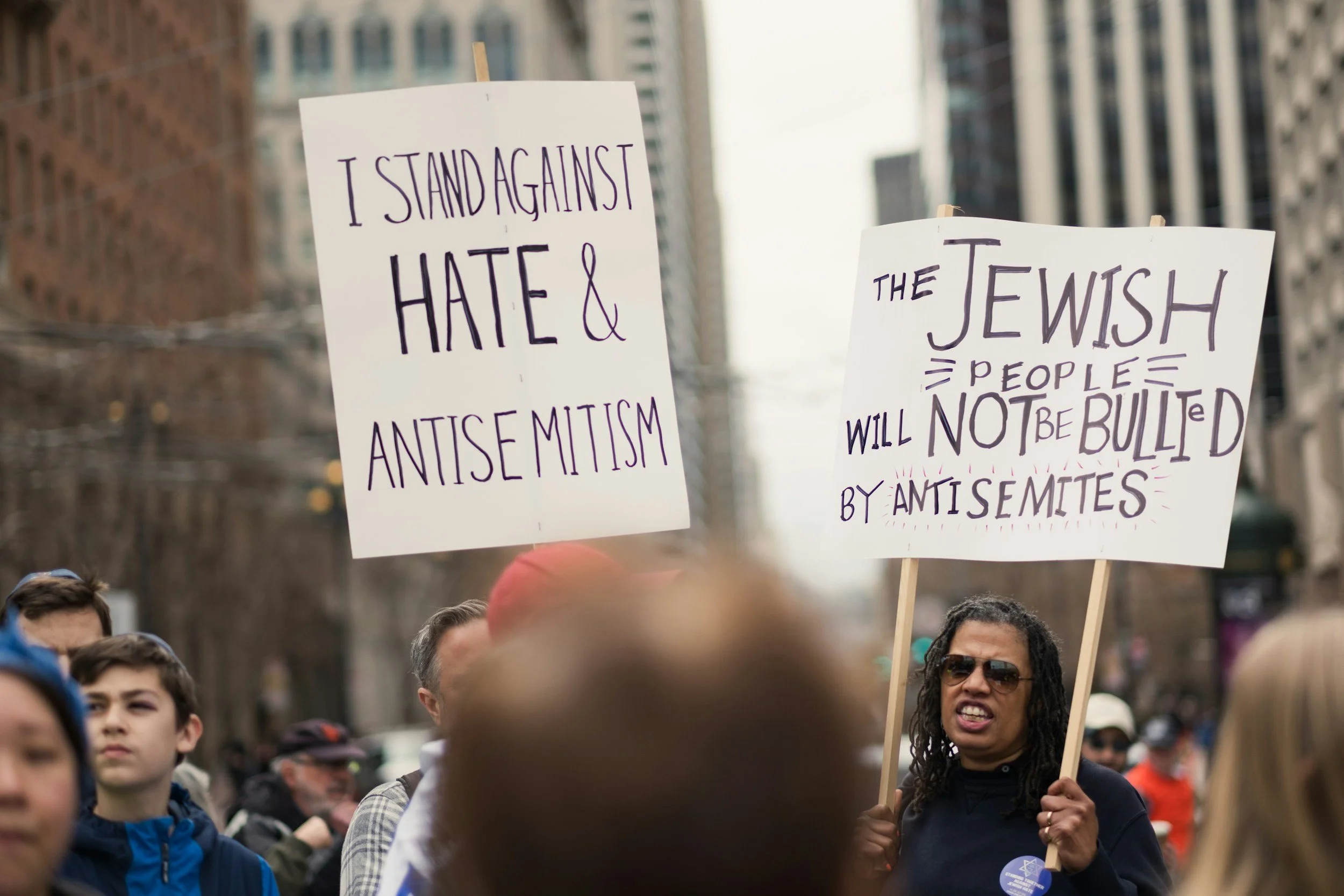
Louis Freedberg (12:47): “The governor said this is going to fund schools that promote anti-Semitism and other things that none of us would support.”
Susana Mendoza (13:10): “I would never be okay with money going to fund anti-Semitism or anti-LGBTQ or things that are in favor of the KKK or white supremacy.”
Susana Mendoza (13:42): “I also don’t hold it against any parent who chooses to send their child to a private school.”
Louis Freedberg (14:06): “This law, as written, is very bare bones.”
Louis Freedberg (14:18): “The IRS and the Department of Treasury are drawing up the regulations right now.”
Louis Freedberg (15:02): “Shouldn’t we be waiting to see the regs, to see what’s possible and what’s not possible before making a decision?”
Susana Mendoza (14:59): “If you support the money staying in your state… then you must be anti-public schools. And I fundamentally disagree with that.”
Susana Mendoza (15:44): “The irony here is that the people that are fighting against this the most are the teachers’ unions.”
Susana Mendoza (16:37): “I choose to send my son to a public school, and I believe that we should be helping all of our children.”
Susana Mendoza (17:10): “That would include public schools for things like tutoring, uniforms, transportation, tuition, instruments for after school activities.”
Louis Freedberg (17:25): “Both of them are parents who have children in the Chicago public schools right now.”
Cassie Creswell (17:57): “Private schools right now… can pretty much discriminate on any basis you wish.”
Cassie Creswell (18:44): “This program is being set up by and designed for big private school funding mechanisms.”
Louis Freedberg (19:46): “States can opt in at any point.”
Susana Mendoza (20:32): “Anytime you’re leaving hundreds of millions of dollars on the table… it’s a grave mistake.”
Louis Freedberg (20:55): “Won’t this lead to more students leaving the public schools and leaving the public schools in a weakened condition?”
Susana Mendoza (21:12): “Families who can’t afford to do that have to figure out how to give their kids a shot at the equalizer, which is a good education.”
Louis Freedberg (22:01): “I wanted just to get Cassie Cresswell’s view on whether to wait a year to see how this thing is implemented.”
Cassie Creswell (22:17): “I think we should wait infinitely.”
Cassie Creswell (22:24): “Vouchers harm academic outcomes, especially for low-income students.”
Cassie Creswell (22:52): “Public schools are left with fixed costs that you can’t rapidly decrease.”
Cassie Creswell (23:18): “This is not a policy solution that fixes that.”
Louis Freedberg (23:51): “Reading the tea leaves in Illinois, it looks like Governor Pritzker seems inclined to reject this at this point.”
Susana Mendoza (24:02): “This should not be political.”
Susana Mendoza (24:18): “I’m sick and tired of sending federal tax dollars to red Republican states.”
Susana Mendoza (24:35): “It’s better to opt in and not say adios to hundreds of millions of dollars.”
Here’s a question that Democratic governors across the country will have to wrestle with in the months ahead: should they opt into President Trump’s upcoming federal tax credit scholarship program, or hold the line against what will be the first federally funded private school voucher scheme?
Because of the sweeping nature of the plan, this is a follow-up to an earlier episode of Education on the Line examining the issue. The program, approved by Congress as part of the One Big Beautiful Bill, allows every taxpayer to "donate" up to $1,700 to scholarship-granting organizations -- and then get the entire amount refunded to them in the form of a tax credit on their federal income taxes. The scholarship organizations then dole out the money to parents with children enrolled in private and religious schools to cover tuition and other educational costs. Some funds could be used to cover some expenses like computers and extra tutoring not currently covered by taxpayers.. Most Republican governors have already "opted in."
In our latest episode, we go inside the debate as it’s playing out in Illinois, where two prominent Democrats are publicly at odds. State Comptroller Susana Mendoza says it’s a no-brainer: Illinois taxpayers fund the program either way, and opting out just means that money flows to children in other states. Meanwhile, Gov. Jay Pritzker seems inclined to reject it. In April, the Chicago public school board voted unanimously to oppose it.
Louis Freedberg interviews Comptroller Mendoza and Cassie Creswell of Illinois Families for Public Schools, who see the issue differently, as do dozens of other advocacy organizations. Cresswell says participating in the program would further expand a private school ecosystem that the state can’t control, at exactly the moment public schools are already under severe financial and other pressures.
We talk with both Mendoza and Cresswell to understand the issues for and against. Their debate offers insights into how the issue could play out in other states. Subscribe and listen wherever you get your podcasts.
Guests:
Susana Mendoza, Illinois State Comptroller
Cassie Creswell, Executive Director of Illinois Families for Public Schools
Related Episodes
If you enjoyed this episode, you might also like: